Over 1 in 4 Cheeses Tested Had a Chemical Named for Corpses

Is cheese just rotten milk? Fermenting and rotting are the same kind of microbial process; the difference is whether we wanted the result. This video follows how milk, yogurt, cheese, wine, beer, sake, makgeolli and whisky stay on the wanted side by stacking hurdles: acid, salt, dryness, alcohol, hops, sulfites and heat. Along the way: why fats go rancid without any microbes, why koji is a tamed relative of an aflatoxin mold, a 2025 test of bird flu in raw-milk cheese, sake heat-treated by 1568, about 300 years before Pasteur's wine patent, and Korea's 2026 debate over use-by dates on makgeolli.
This article is the full narration of the video. Watch on YouTube
Fermented or rotten?
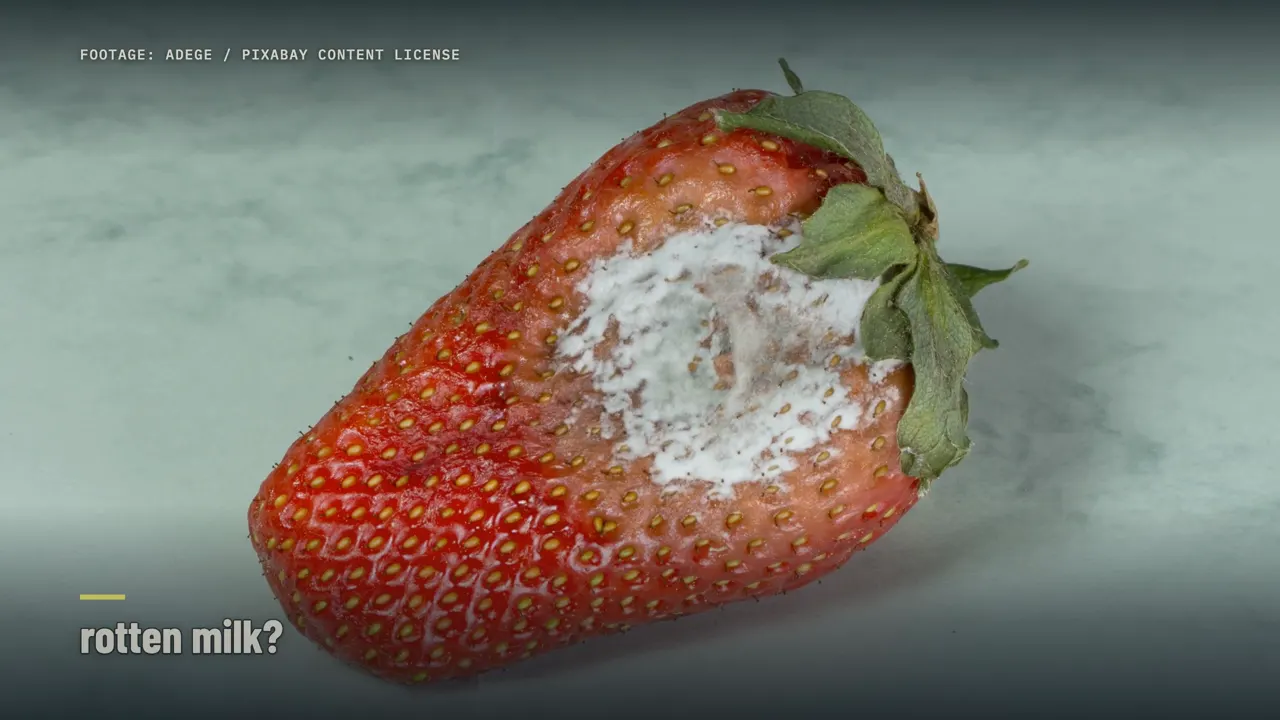
Is cheese just rotten milk? Honestly, almost. Rotting and fermenting are the same kind of process: microbes breaking food down. Wine can turn into vinegar when it goes bad.
So is wine just grape juice that went bad? Fermented or rotten, the microbes are doing the same kind of work. Leave milk in the fridge too long, and it turns bitter, sour and lumpy. Turn fresh milk into Parmigiano Reggiano instead, and it's left to age for at least twelve months, on purpose.
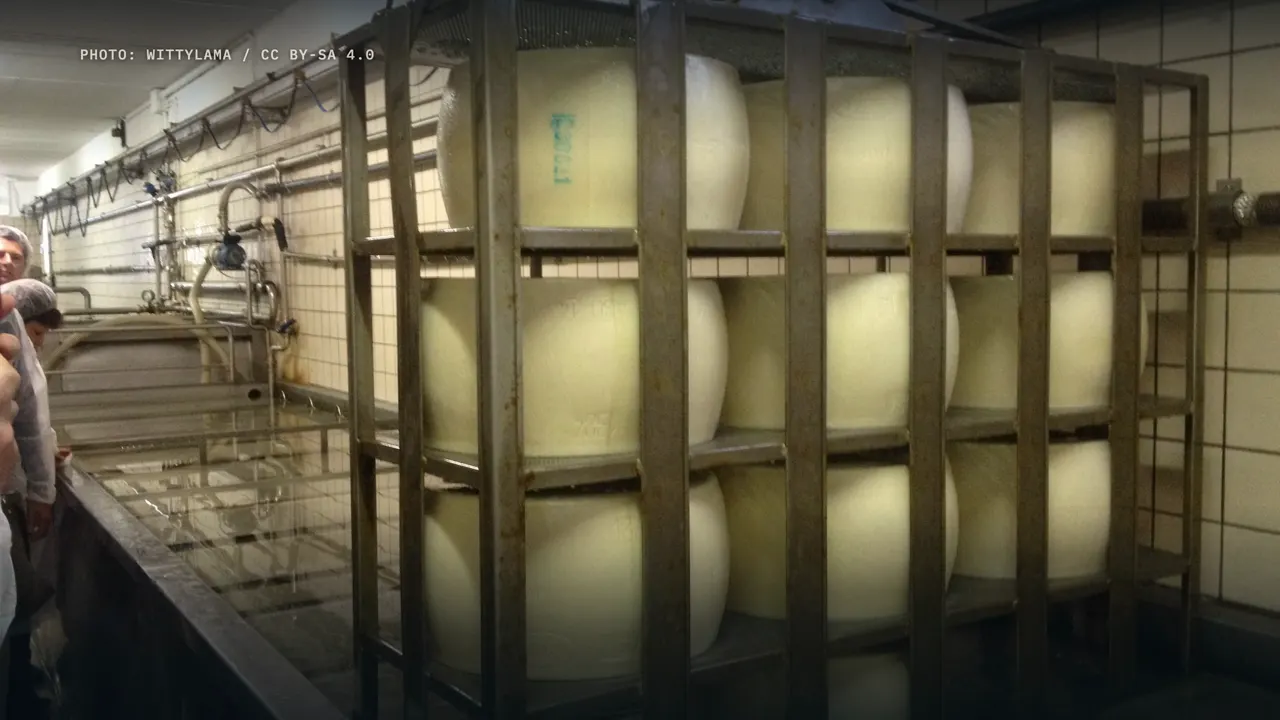
What separates them is mostly one question: did we want the result? So how do wine, beer, cheese and yogurt stay on the side we want, and what happens when they slip? We'll go from milk, which barely protects itself, all the way to whisky.
Same microbes, different names

In 1876, Louis Pasteur summed up his theory in one line: fermentation is the result of life without air. He studied rotting too. In his work on putrefaction, published in 1863, he proposed two words we still use: aerobic and anaerobic. To Pasteur, rotting was a fermentation too: microbes living without air.
In 2021, an international panel of scientists wrote a modern definition of fermented foods. It says they're made through desired microbial growth and enzymes changing the food. The key word is desired. The same paper calls spoilage the microbiological opposite of fermentation: microbes doing similar work, but nobody wanted it.
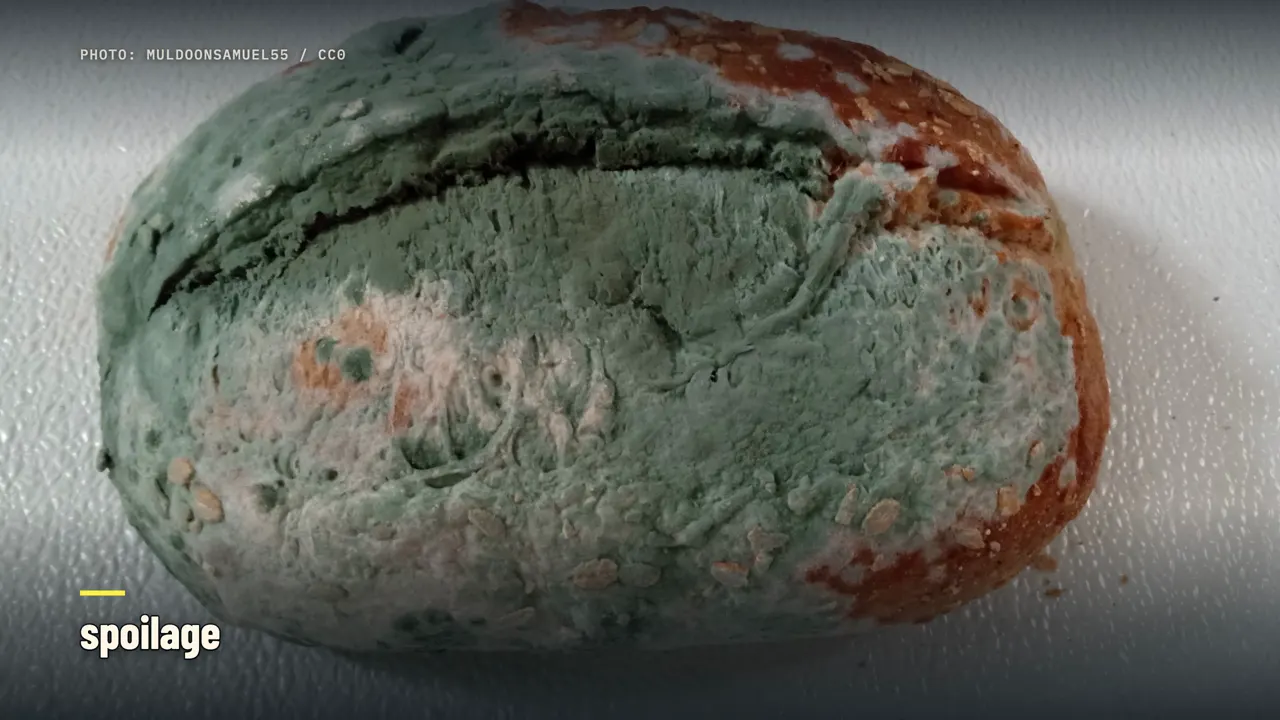
Even the smells overlap. When bacteria break down protein, they can make molecules called putrescine and cadaverine, named for rotting and for corpses. Both turn up in foods people prize, like aged cheese, wine and fermented fish. In a survey of 125 ripened cheeses sold in Poland, more than a quarter contained cadaverine.
And in lab tests, the smell of Limburger, a famously pungent cheese, attracted malaria mosquitoes, the kind that hunt people by smell. Chemically, there's no clean line between fermented and rotten. The line is us.
Rancid: spoiling without microbes
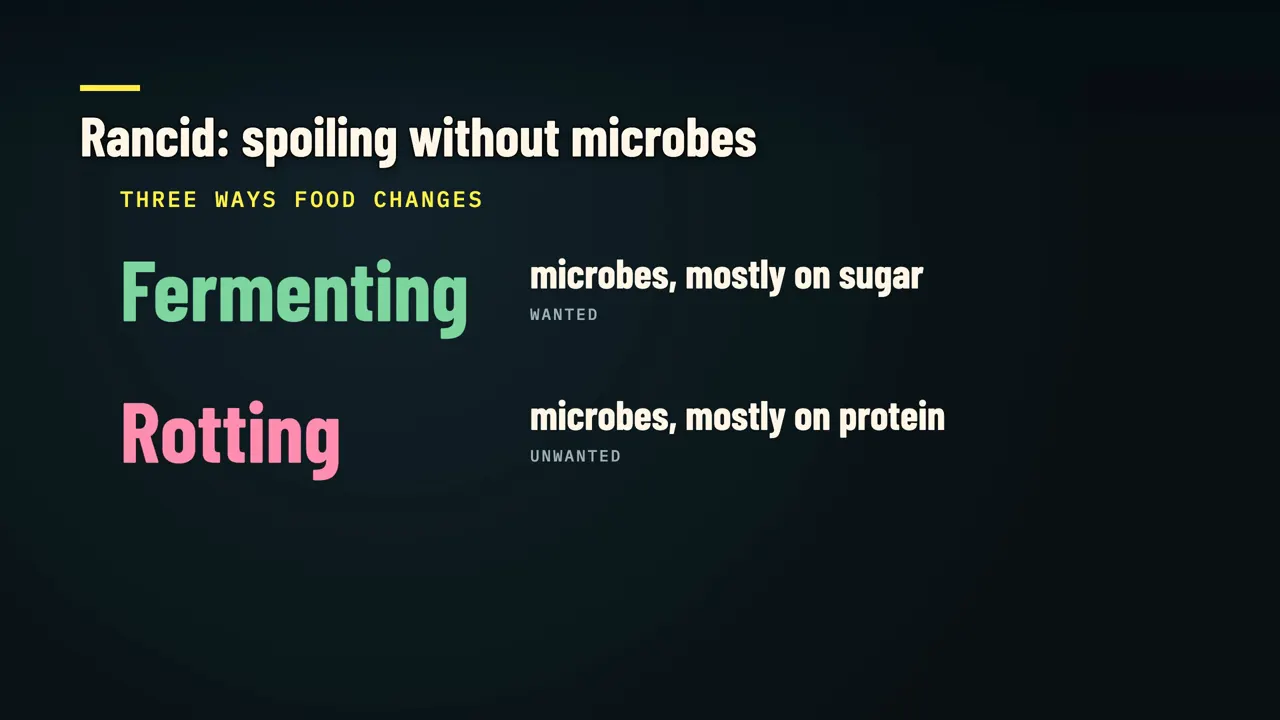
There's a third way food goes bad, and it doesn't need microbes at all. Fats go rancid, and there are two kinds. In the first, an enzyme cuts fat into free fatty acids, and milk comes with that enzyme built in. In milk, one of those acids, butyric acid, is a classic rancid off-flavor.
The second kind is oxidation. Oxygen attacks fat, with help from light, heat, or metals like iron and copper. It's a chain reaction: one damaged fat molecule creates a reactive fragment that damages the next one. Fats with more double bonds in their chains break down much faster.
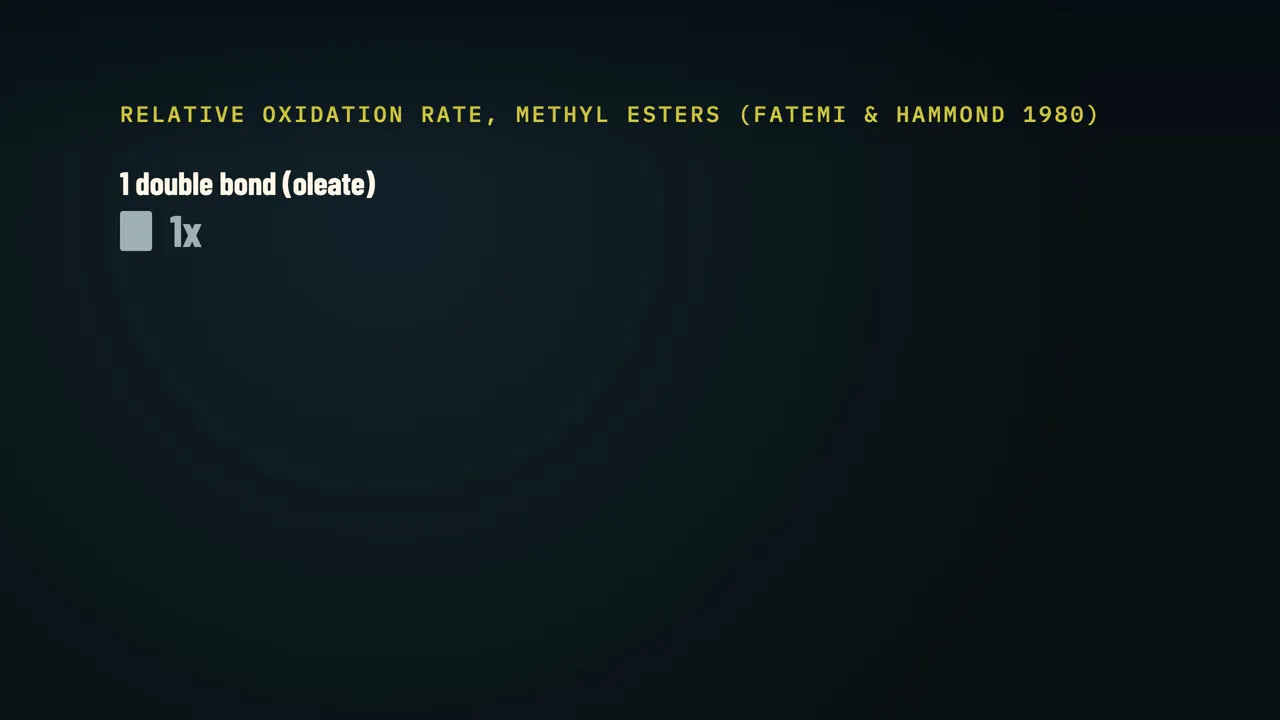
In one lab test, a fatty-acid compound with three double bonds oxidized about twenty times faster than one with a single double bond. Dark bottles help by keeping light off the oil. Now here's the twist: hard cheeses ripen with the same kinds of fatty acids. Butyric acid, the rancid note in milk, is part of what makes an aged hard cheese taste cheesy.
Blue cheese goes further: its mold breaks fat down into compounds called methyl ketones, a big part of the blue cheese flavor. Unwanted, it's rancid. Wanted, it's flavor.
Yeast's weapon and the hurdles
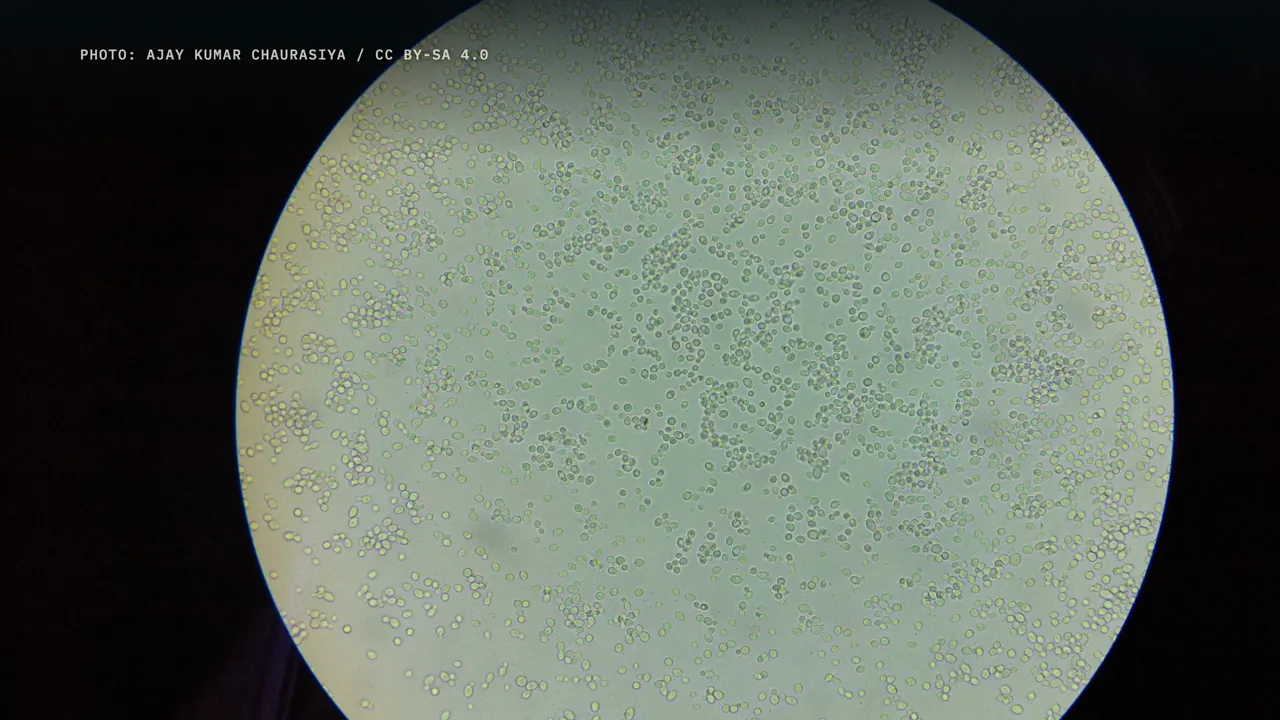
So how does a fermented food stay on the wanted side? Partly, the microbes defend it themselves. When sugar is plentiful, the yeast used for wine and beer keeps turning it into alcohol even when there's oxygen around. That's a strange choice, because fermenting earns far less energy.
Using oxygen to break down one glucose molecule gets brewer's yeast about eighteen molecules of ATP, its energy currency. Fermenting the same glucose gets it two. One idea is that yeast makes alcohol as a weapon: pile it up, poison the competition, then eat the alcohol later. In 2005, researchers rebuilt the ancient enzyme behind this and found it was tuned to make alcohol, not to consume it.
The gene copy that lets yeast eat its alcohol arose after two yeast lineages split, roughly eighty million years ago. That may have been around the time fleshy fruits were spreading. Not everyone buys the weapon story. Others argue that yeast ferments mainly because it gets energy faster that way.
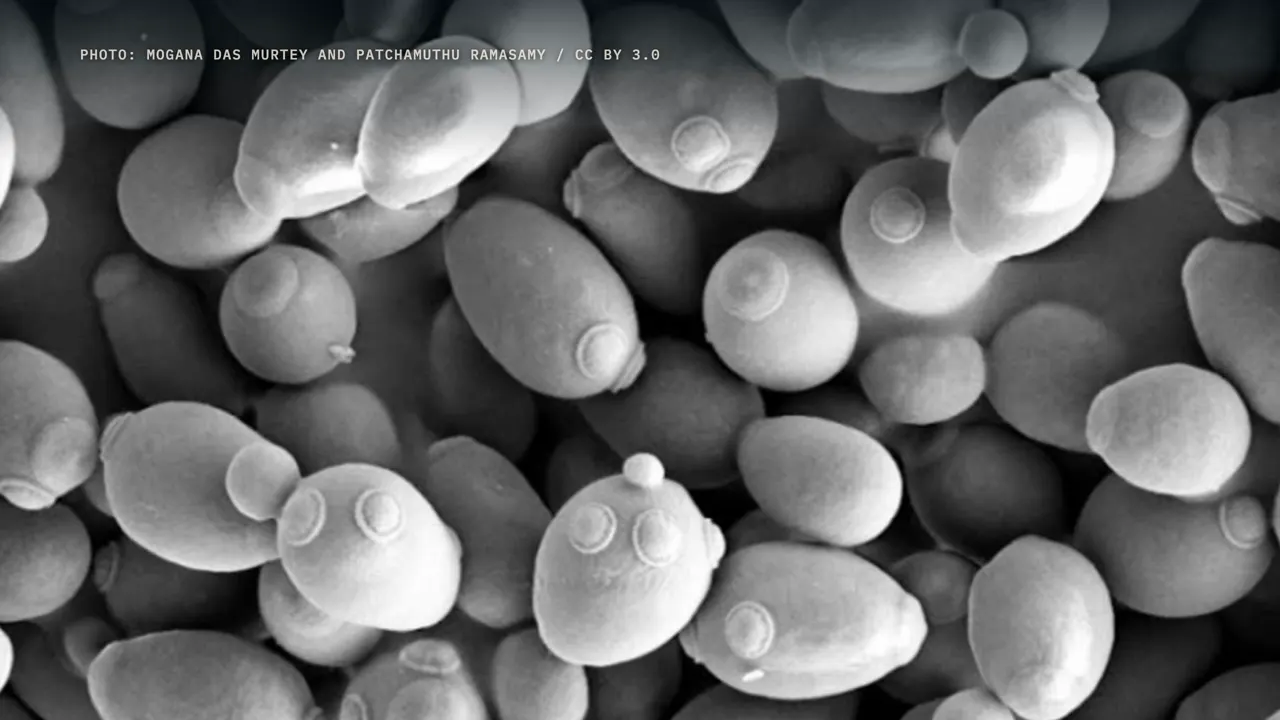
Either way, alcohol and acid make life harder for competing microbes. But they don't sterilize anything. Disinfecting alcohol works best between sixty and ninety percent, and loses its power sharply below fifty. Even a strong table wine is only around fifteen percent.
In a 1988 experiment, researchers added Salmonella, Shigella and E. coli to different drinks. Survival was lowest in wine, and the authors suggested that acidity might explain the difference. Food scientists call the real strategy hurdle technology. Microbes could beat any one barrier on its own, so you stack several: acid, salt, dryness, low oxygen, heat and rival microbes.
Honey shows how one hurdle can hand off to another. Honey is so dry that almost nothing can grow in it, but dilute it with water to make mead, and an enzyme in it starts releasing hydrogen peroxide. Then yeast turns the diluted honey into mead. Every food in this video is a different stack.
Milk: spoiled, or yogurt
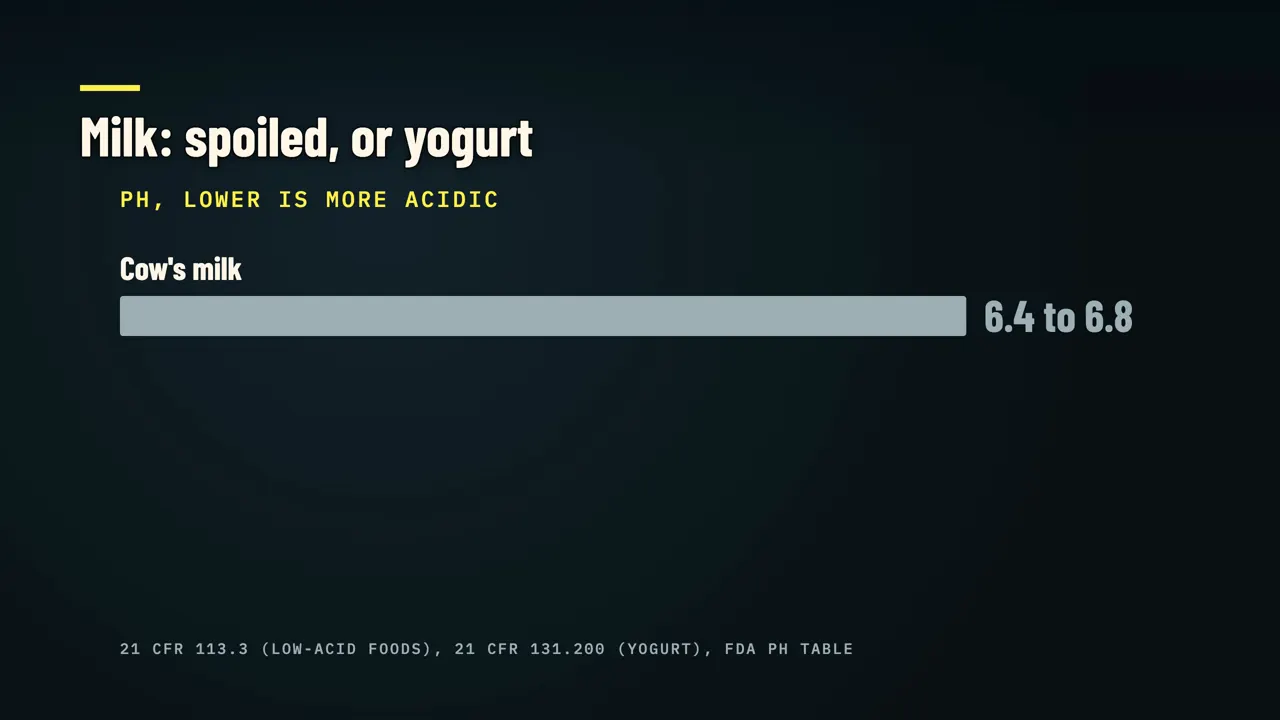
Start with milk, which is close to an ideal food for microbes. Cow's milk has a pH of about 6.4 to 6.8, close to neutral. US canned-food rules draw a line at pH 4.6: above it, a moist food counts as low-acid. The same rule leaves alcoholic drinks out entirely.
The fridge slows milk down, but it doesn't stop it. Within two days of chilling, cold-tolerant bacteria like Pseudomonas can dominate the raw milk in a farm's tank. In one study, Pseudomonas from milk kept three days at seven degrees Celsius were compared with strains from fresh milk. In the cold, they grew ten times faster and broke down protein a thousand times more actively.
Some of their enzymes survive ultra-high-temperature processing, so milk can spoil because of bacteria that were dead before it was packed. Yogurt builds a hurdle out of acid. Two bacteria do it together: Streptococcus thermophilus and Lactobacillus bulgaricus. Streptococcus releases formic acid and carbon dioxide that help its partner grow.
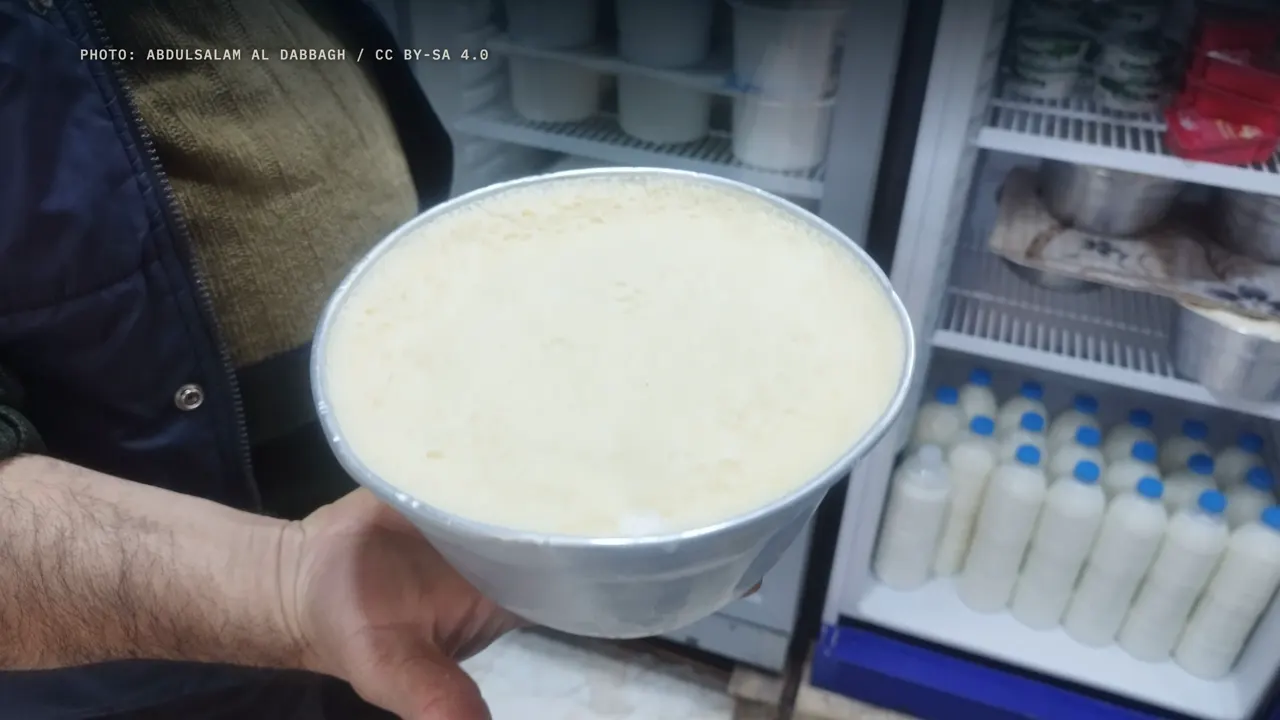
Lactobacillus breaks milk protein into small pieces that feed the Streptococcus. Together they turn milk sugar into lactic acid faster than either can alone, and the milk proteins set into a gel. US rules say yogurt has to reach pH 4.6 or lower, the same line. International food standards ask for at least ten million live starter bacteria in every gram, right up to the date on the cup.
The exception is yogurt that's heat-treated after fermenting. And yogurt still spoils. Some yeasts can grow at pH 3, and molds like Penicillium get in through a bad seal. So some makers add protective bacteria, and some of those fight mold in a surprising way: they soak up manganese, a trace metal the mold needs.
In one lab test, adding manganese back cancelled their effect against 16 of the 25 fungal strains they had blocked. That hurdle isn't acid or salt. It's an empty pantry.
Cheese: some keep, some don't
Cheese stacks more hurdles: acid, heat, salt, dryness and time. People have done this for a very long time. Pottery sieves from Poland, more than seven thousand years old, carry milk-fat residues, and researchers read them as cheese strainers. At Xiaohe, in China's Tarim Basin, fragments of kefir-style cheese were found on the necks and chests of people buried about 3,500 years ago.
But not every cheese is built to last, and the biggest difference is water. US standards let cottage cheese be up to 80 percent water. Parmesan can be at most 32 percent. The USDA's storage guide reflects that: about two weeks in the fridge for unopened cottage
cheese and ricotta, and about six months for an unopened block of hard cheese. Fresh cheeses are meant to be eaten soon after they're made, so they lean on pasteurizing, acid and cold. Parmigiano Reggiano shows how far the other end can go. By its official rules, it's made from raw milk with no additives, salted in brine, and aged at least twelve months.
The rules even forbid adding booster or corrective starter cultures. Each day's batch is started with whey saved from the day before. In this style of cheesemaking, the curd is heated to about 53 to 56 degrees Celsius and acidified. Across several challenge studies, pathogen counts fell more than ten-thousand-fold within a day or two.
In one study, fifteen-month-old Parmigiano was only about 31 percent water, with around one and a half percent salt. But hurdles aren't interchangeable. In a 2025 study, scientists made raw-milk cheese from milk contaminated with H5N1 bird flu. At pH 6.6 and 5.8, infectious virus survived up to 120 days of aging.
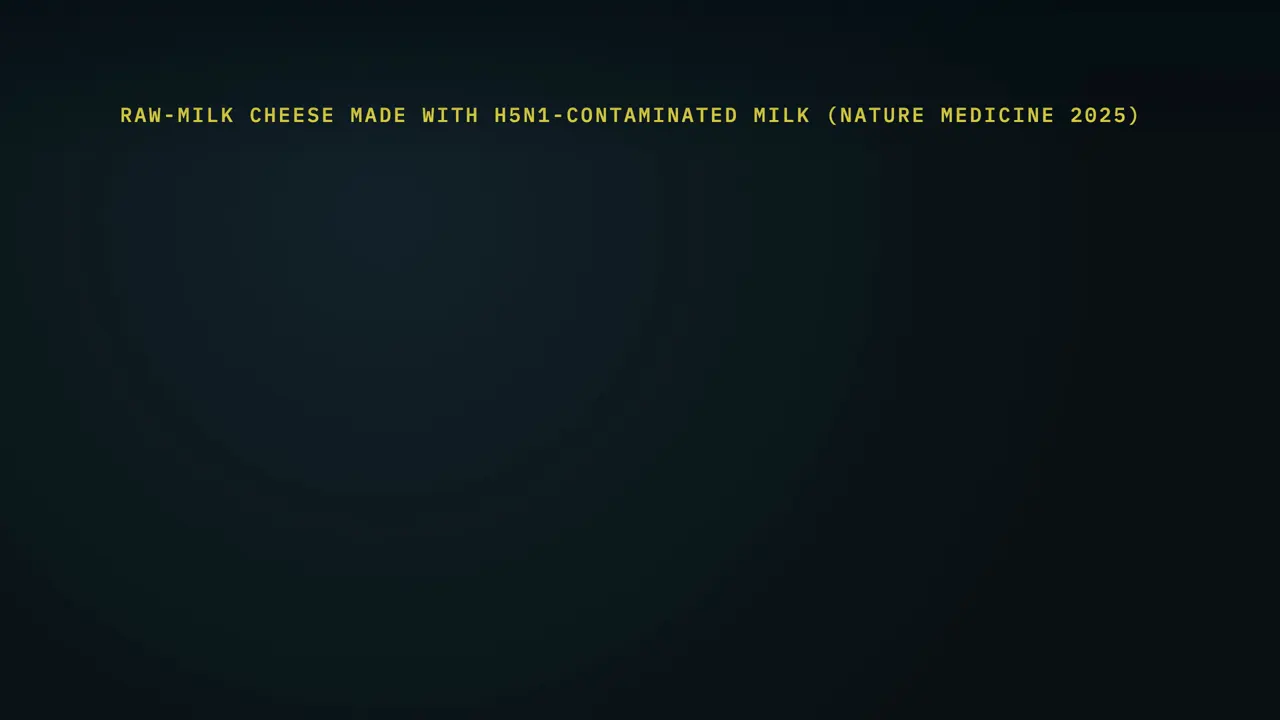
At pH 5.0, it didn't survive cheesemaking. Months of aging couldn't do what that lower pH did. Soft-ripened cheeses play the game differently. On Camembert, yeasts and molds on the rind eat the lactic acid, and a ripe Camembert can reach pH 7.4, less acidic than fresh milk.
That's what softens it, but it also lowers a hurdle, and a 2024 review of these rinds flags Listeria as a real threat. The US Department of Agriculture draws its own line, by moisture. On a block of hard cheese, its guidance says unwanted mold can be cut away with an inch to spare. Soft cheeses are wetter, so contamination can spread below the surface, and the guidance says to discard them.
Some cheese microbes even make their own preservative. Lactococcus lactis produces nisin, a peptide bacteria use to stop other bacteria. In Europe it's food additive E234, and US rules allow it in pasteurized process cheese spreads to hold back botulism bacteria. And the holes in Emmental come from propionic bacteria, which turn lactic acid into propionic acid, acetic acid and carbon dioxide.
The acids help preserve the cheese, and the gas makes the holes.
Good mold, bad mold
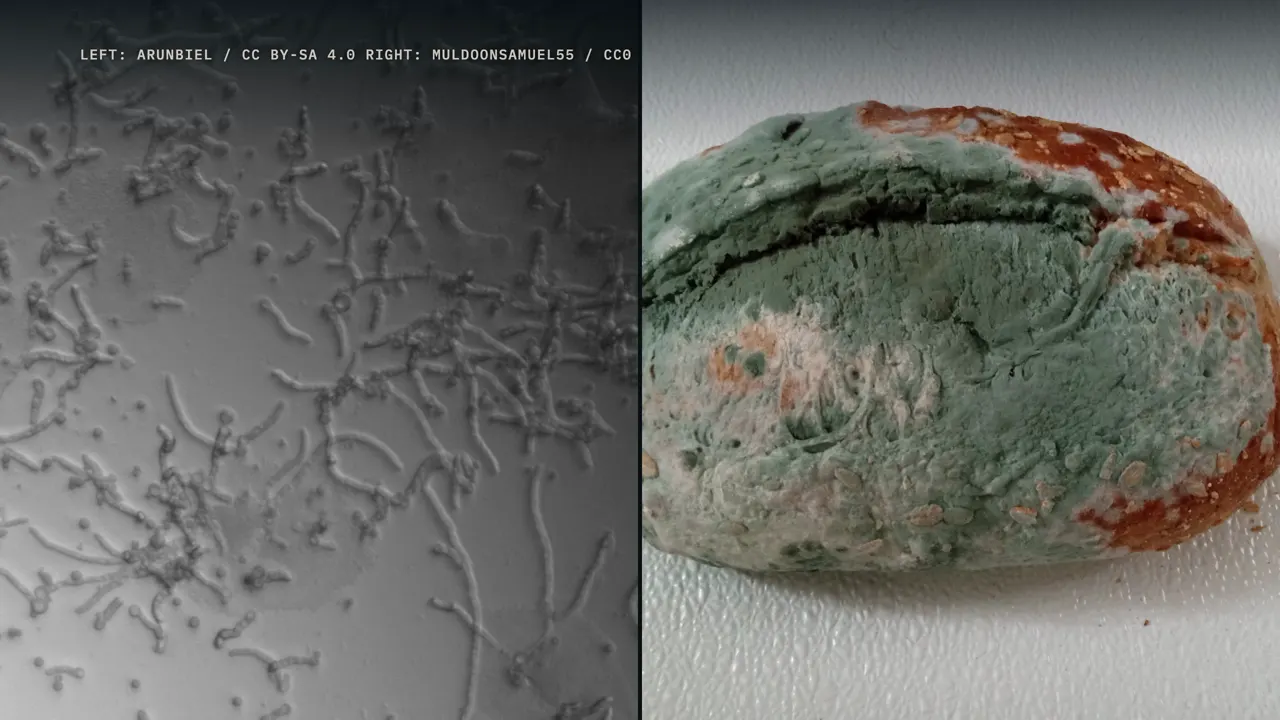
Notice how much of this runs on mold. Mold sounds like the very definition of spoiled food, yet people eat it on purpose all over the world. The difference is which mold, and whether it was chosen. The worst molds make toxins.
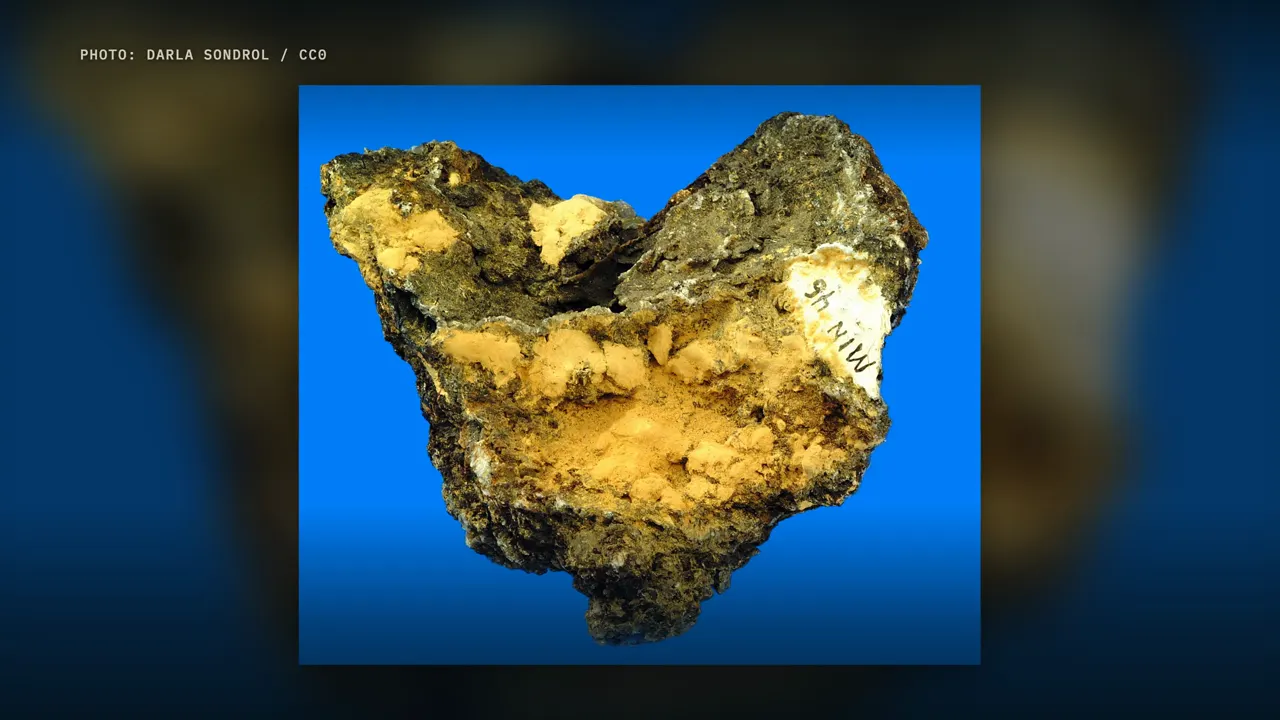
Aspergillus flavus makes aflatoxin, which the World Health Organization's cancer agency puts in its highest group, carcinogenic to humans. The USDA explains that mold threads can grow deep into soft food, and in dangerous molds the toxins collect in and around those threads. Now meet koji, Aspergillus oryzae, the mold behind sake, miso and soy sauce. Its closest wild relative is that same Aspergillus flavus.
Researchers think people slowly domesticated a lineage of it that didn't make the toxin. In koji, the machinery for making aflatoxin is damaged or switched off. In a survey of 210 koji strains, more than a third had lost about half of the toxin gene cluster. In one strain, the chromosome had snapped off right inside it.
Cheese molds tell a similar story. The blue mold in blue cheese and the white mold on Camembert are two different species, picked separately by cheesemakers. In the blue mold used for most blue cheeses today, genes for two of its toxins are broken too. And Camembert's white mold is a young, cloned lineage that makes less toxin than its wild relatives and crowds out other fungi.
Domestication brought lower toxin production in both. Korea's traditional nuruk is different: its microbes come from the surroundings, not from a pure starter culture. It's a cake of wheat left to catch whatever lands on it, then incubated for weeks. In a survey of fungi from 59 nuruk samples, a starch-eating yeast appeared most often,
and molds like Aspergillus and Lichtheimia each showed up in more than half. Those molds turn starch into sugar, so yeast can turn the sugar into alcohol. In one survey, 14 of 61 nuruk samples were above Korea's aflatoxin limit for cereal products. But in rice drinks brewed from them, the researchers found only about one percent of that toxin.
Another study tested 69 Aspergillus strains taken from nuruk and found none that made aflatoxin. Good mold, then, isn't a different kind of thing. It's a mold someone picked, tamed, or kept watch over.
Wine: vinegar has 30x more acid
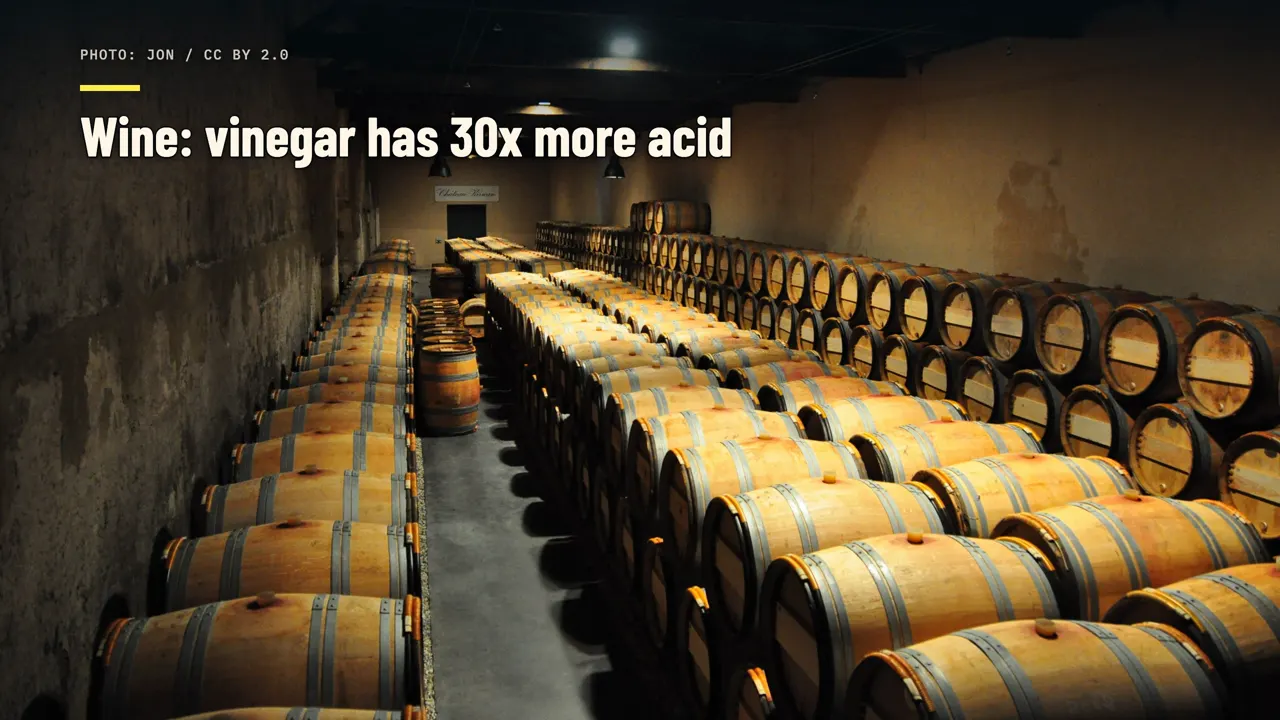
Wine runs on the same logic: acid, alcohol, and keeping the air out. Most wine sits between pH 3 and 4, with roughly 12 to 15 percent alcohol. Its main enemy needs air. Acetic acid bacteria turn alcohol into acetic acid, the acid in vinegar, but only with oxygen.
US rules put the line in numbers. For most red wine, the cap is 0.14 grams of volatile acid, counted as acetic acid, per 100 milliliters. FDA policy expects vinegar to have at least 4 grams of acetic acid per 100 milliliters. That's about thirty times more, from the same kind of bacteria and the same reaction.
Past the wine limit, US rules say it has to be labeled substandard. Taken much further, on purpose, the same reaction makes vinegar. One of the oldest known human-made hurdles comes from wine. In jars from Hajji Firuz in Iran, about seven thousand years old, researchers found
wine residue with tree resin, likely added to keep the wine from souring. Today the main added protection is sulfur dioxide, the sulfites on the label. How well it works depends on acidity. To keep the same protective level, a winemaker needs about 13 milligrams of free sulfite per liter at pH 3.0, but about 125 at pH 4.0.
One step of pH, nearly ten times the sulfite. Some winemakers now use less sulfite, run at higher pH and rely on wild microbes. A 2019 paper linked that trend to the return of an old fault called mousiness, an unpleasant aftertaste. Sherry protects itself another way.
Fino sherry is brought to about 15 percent alcohol, and a layer of yeast called flor grows on top and keeps the oxygen off. Much Madeira goes the other way: it's heated for about three months, at around 45 to 50 degrees Celsius, so it's partly cooked and oxidized on purpose. And Pasteur's heat treatment started with wine.
In 1865 he patented gently heating wine to keep it, before the method became famous for milk.
Beer: weak hurdles and hops
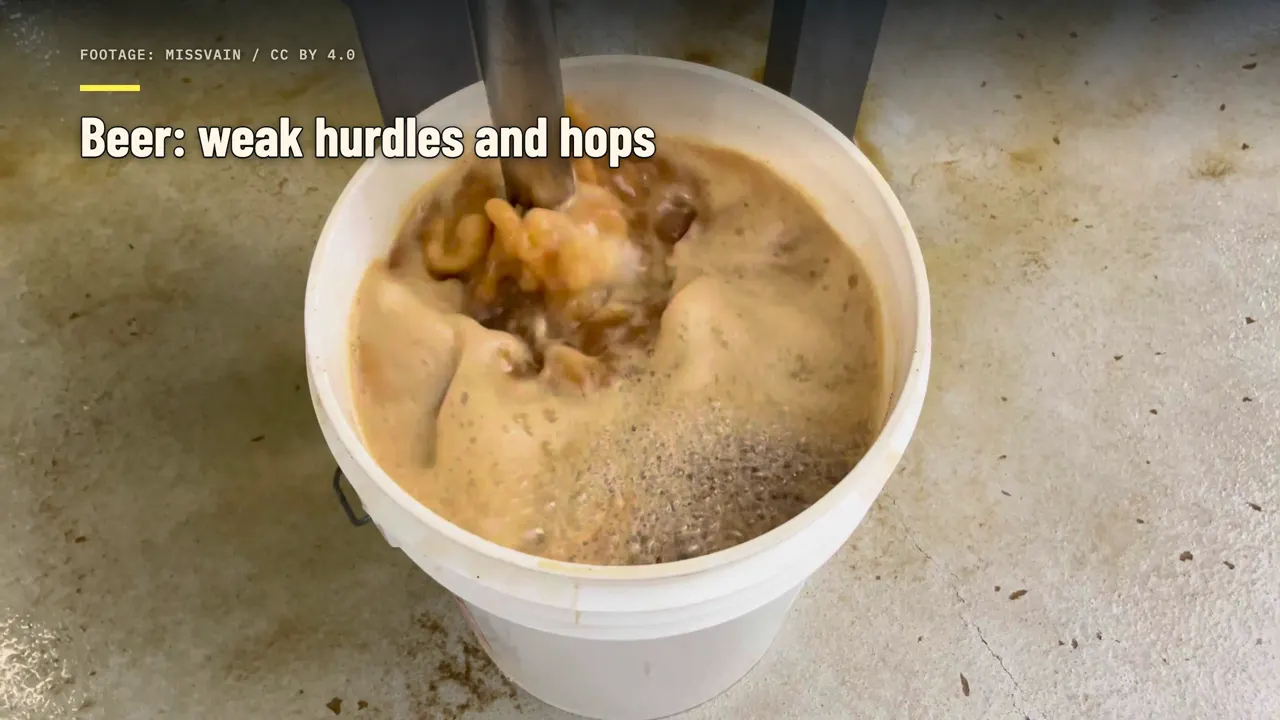
Beer usually has around 4 to 6 percent alcohol and a pH of roughly 4 to 4.5, so it needs several hurdles working together. One of them is a chemical defense: hops. Hop acids slip into the membranes of certain bacteria and collapse the pH difference those cells need to take in food. It works against Gram-positive bacteria, including many that spoil beer.
But beer spoilers have evolved a counterattack. Some carry a gene called horA, which builds a pump that throws hop acids back out. It was first found on a small loop of DNA in a beer-spoiling Lactobacillus, and breweries now test for it with PCR. Hops don't stop Gram-negative bacteria, so the other hurdles have to.
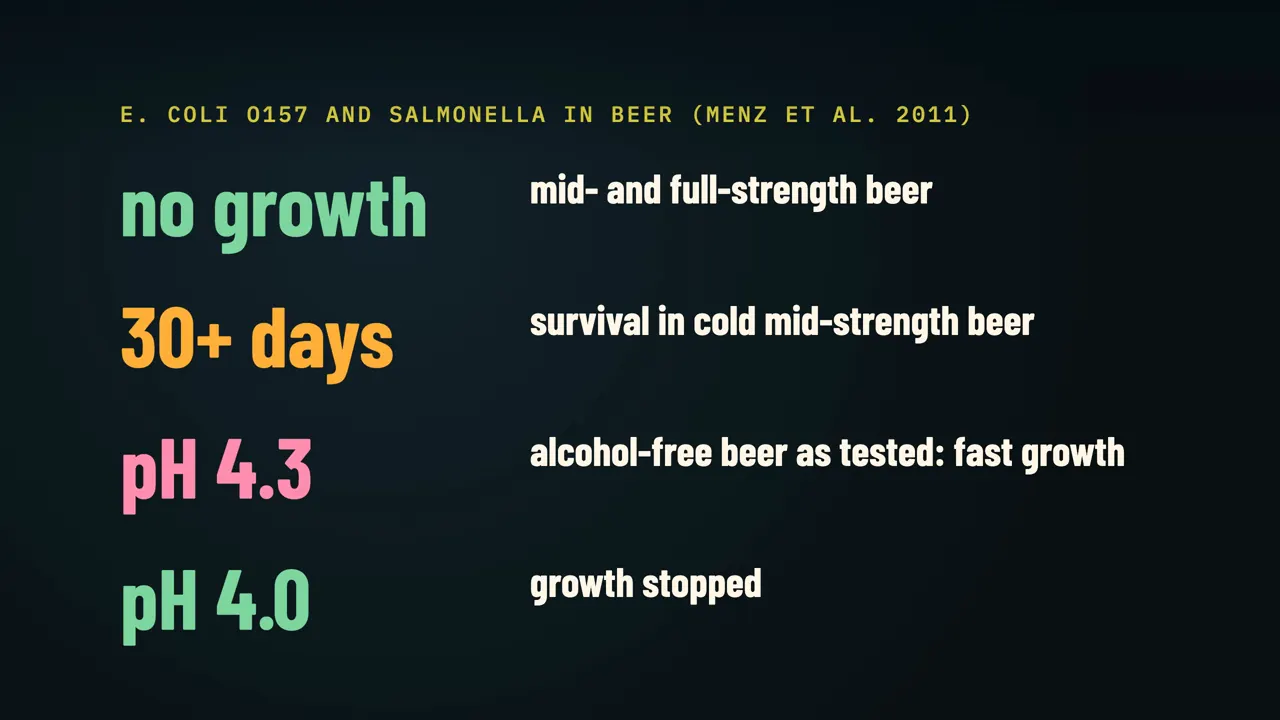
In a 2011 study, E. coli O157 and Salmonella couldn't grow in mid- or full-strength beer. But in cold mid-strength beer, they survived for more than thirty days. In the alcohol-free beer they tested, those bacteria grew fast at its original pH of 4.3. Lowering that beer's pH to 4.0 stopped their growth.
Beer also goes bad without microbes. Old beer can taste like wet cardboard, a note linked to trans-2-nonenal, which people can taste at about a tenth of a microgram per liter. It's usually blamed on fat oxidation, though one study found it can be released inside the bottle without oxygen. Light does its own damage: with riboflavin's help, it breaks hop compounds into a sulfur
molecule that makes beer smell skunky, noticeable at a few nanograms per liter. You may have heard that India Pale Ale was invented with extra hops to survive the voyage to India. Beer historians disagree. Beer was shipped to India from at least 1711, early IPA was about as strong as porter, and porter made the trip in huge amounts too.
IPA was well hopped, like the keeping ales it came from, but it wasn't invented for the voyage. Pasteur studied beer as well, and his 1876 book on it includes drawings of the microbes that spoil it.
Sake: heated 300 years before Pasteur
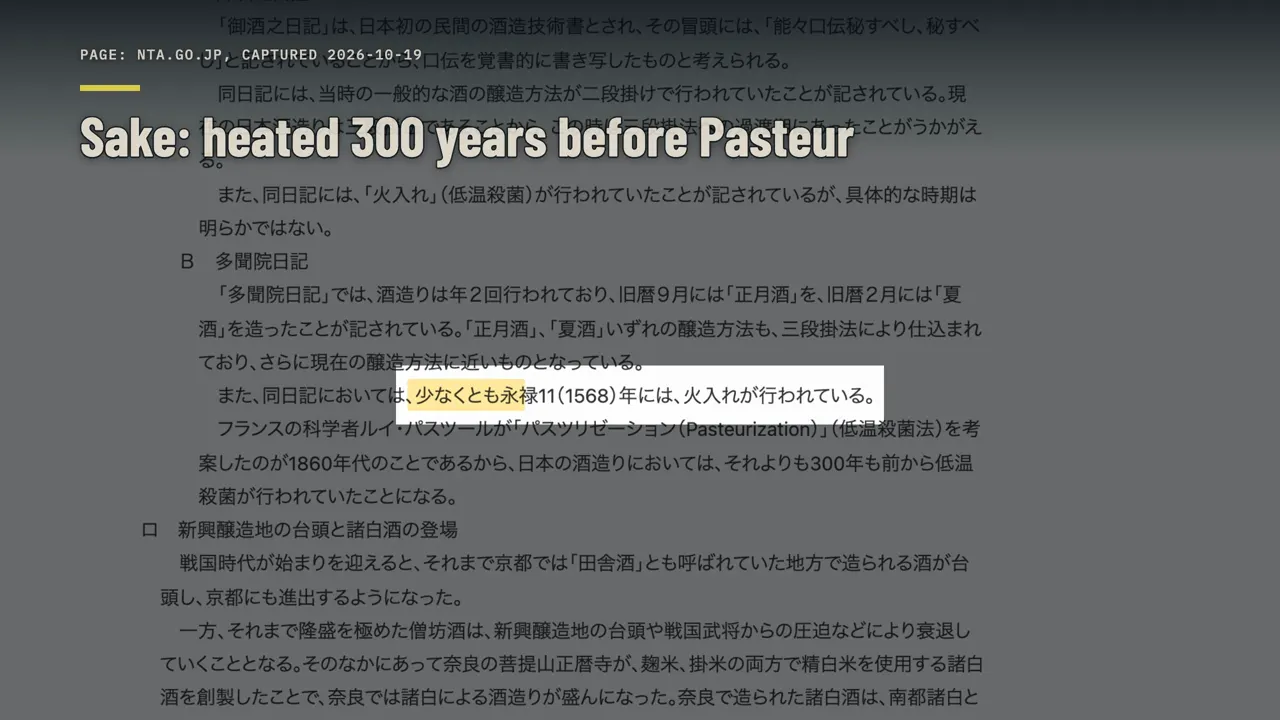
Heating drinks to keep them wasn't Pasteur's idea alone. According to Japan's National Tax Agency, a diary kept at a Buddhist temple in Nara, the Tamon-in Nikki, records sake being heated by 1568 at the latest. That's about three hundred years before Pasteur's wine patent.
Brewers call it hi-ire, and trade accounts describe modern hi-ire at roughly 60 to 65 degrees Celsius. Sake needs the heat because of its own spoilers, called hiochi bacteria. They're lactic acid bacteria that can live in sake despite its alcohol. In 1957, Japanese researchers found that some of them needed a growth factor they called hiochic acid.
The same year, hiochic acid turned out to be mevalonic acid, an early step in the pathway cells use to make cholesterol. Heating also stops koji enzymes that would keep changing the taste. Unheated sake, called namazake, keeps those enzymes and live microbes, which is why it's usually stored cold. Sake brewing uses acid as a shield from the very start.
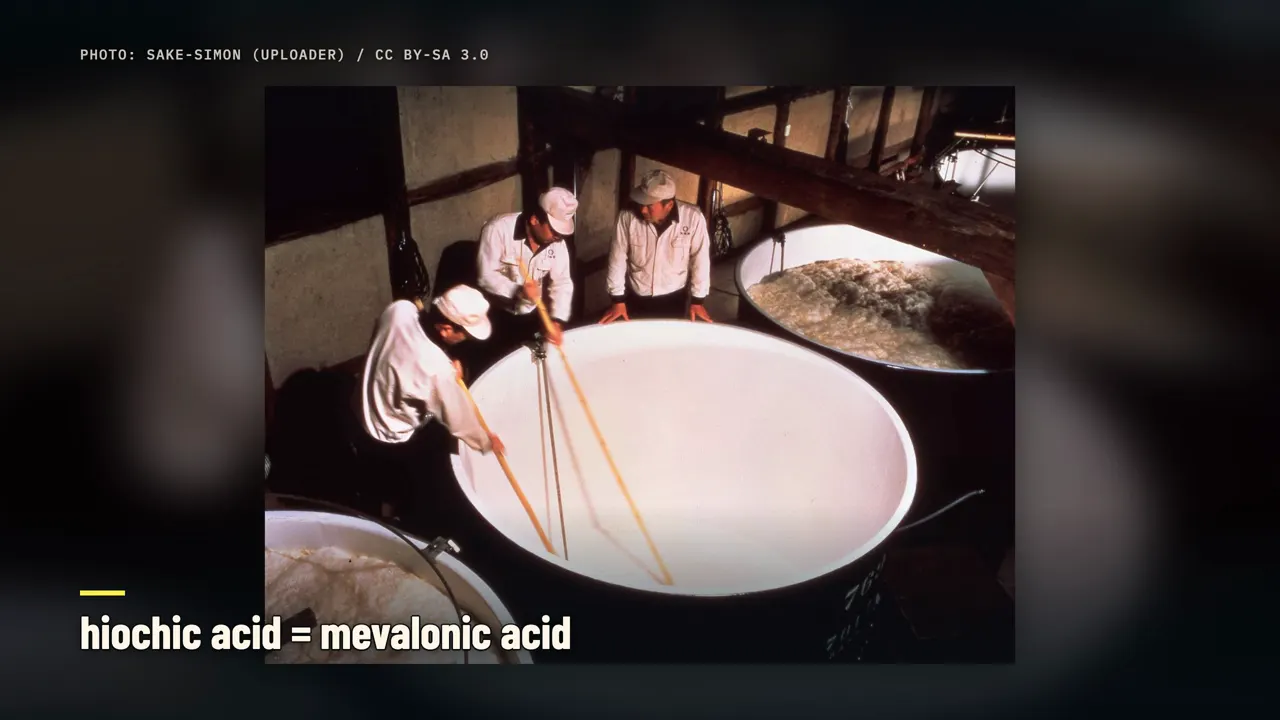
In the traditional kimoto method, bacteria from the brewing water make nitrite, and then lactic acid bacteria sour the starter. Together they keep wild yeasts and unwanted bacteria in check. The modern shortcut simply adds lactic acid. Then koji turns rice starch into sugar while yeast turns that sugar into alcohol, both in the same tank.
That lets sake reach about 20 percent before it's diluted for bottling.
Makgeolli and kumis: living drinks
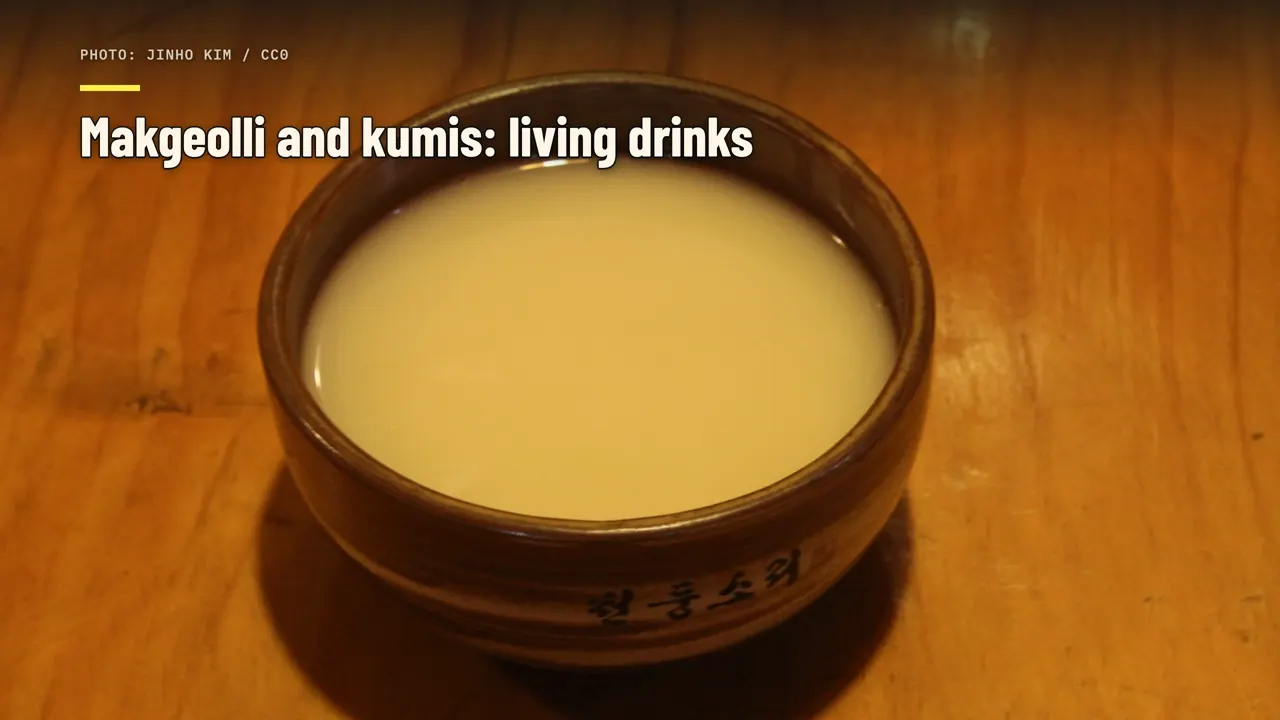
Korea's makgeolli, the cloudy rice drink made with nuruk, is often sold alive, a bit like yogurt. It's about 6 to 7 percent alcohol, with a pH around 4.1 to 4.6. The unpasteurized kind keeps its yeast and lactic acid bacteria in the bottle. In one study, yeast counts peaked on day three and then fell, while lactic acid bacteria kept rising.
At 25 degrees Celsius, the acidity started climbing from day six. According to Korean press reports, the food regulator requires a use-by date on makgeolli, pasteurized or not, pointing to its low alcohol and rich nutrients. A 2010 rule had exempted pasteurized makgeolli, but the exemption was dropped when labeling moved under food law in 2013.
In October 2026 that rule was back in the news. At a National Assembly audit on October 13, the head of Korea's food and drug ministry said the agency would review it. The trigger, according to those reports, was a traditional liquor linked to BTS member Jin. It's classified differently, so it doesn't need the date.

Mexico's pulque has even fewer hurdles. It's fermented agave sap that keeps fermenting and can turn sour within a few days, which makes it hard to ship fresh. Milk can become an alcoholic drink too. Kumis is fermented mare's milk, and depending on how strong it's made, it ends up at only about 1 to 2.3 percent alcohol.
Milk has little sugar that yeast can ferment, so it tops out low. In Buryatia, fermented milk reaches only about 1.5 to 2 percent alcohol, so herders distilled it, in stages, up to 40 and even 75 percent. Distilling is the last hurdle.
Whisky and soju: the top of the stack
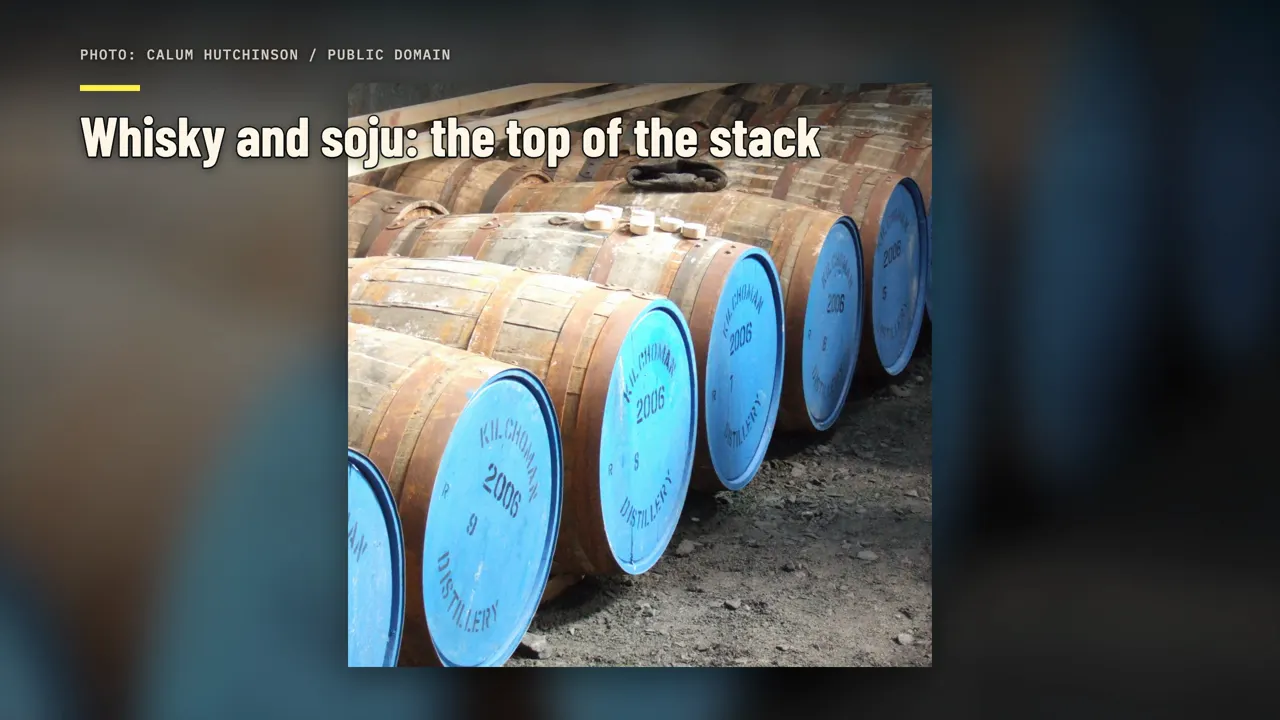
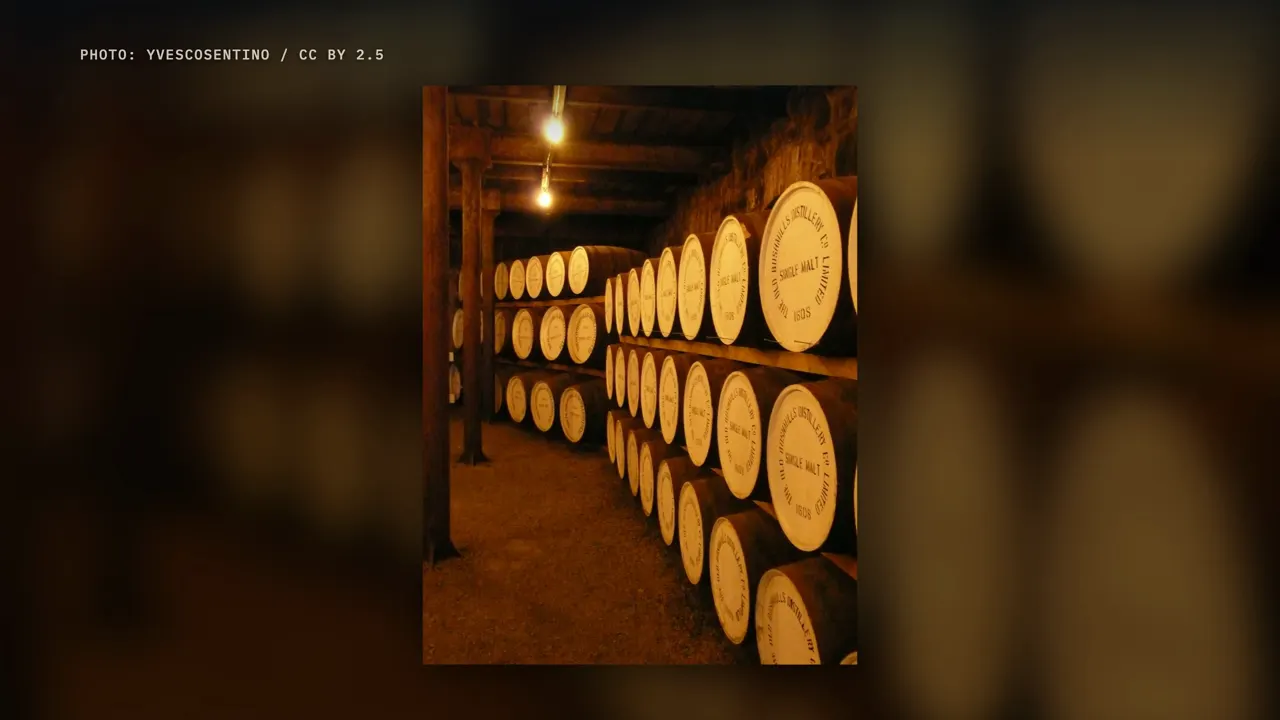
Scotch whisky has to be aged at least three years in oak casks and bottled at 40 percent or more. Distilling leaves the fermentation microbes behind, and 40 percent alcohol is far beyond the 18 to 25 percent that even lab-evolved, alcohol-tolerant yeasts could take. That's why a sealed bottle doesn't really spoil.
The age on a whisky label counts years in the cask, and bottling ends that cask aging. After opening, the changes are chemical: slow oxidation and loss of aroma. Korean soju has dropped a long way: Jinro started at about 35 percent in 1924, and the big brands sit around 16 to 17 percent today. Even so, it's mostly purified alcohol and water, with almost nothing for microbes to eat.
Korean reports describe soju bottles showing a production or bottling date rather than a use-by date.
Fermented, on purpose
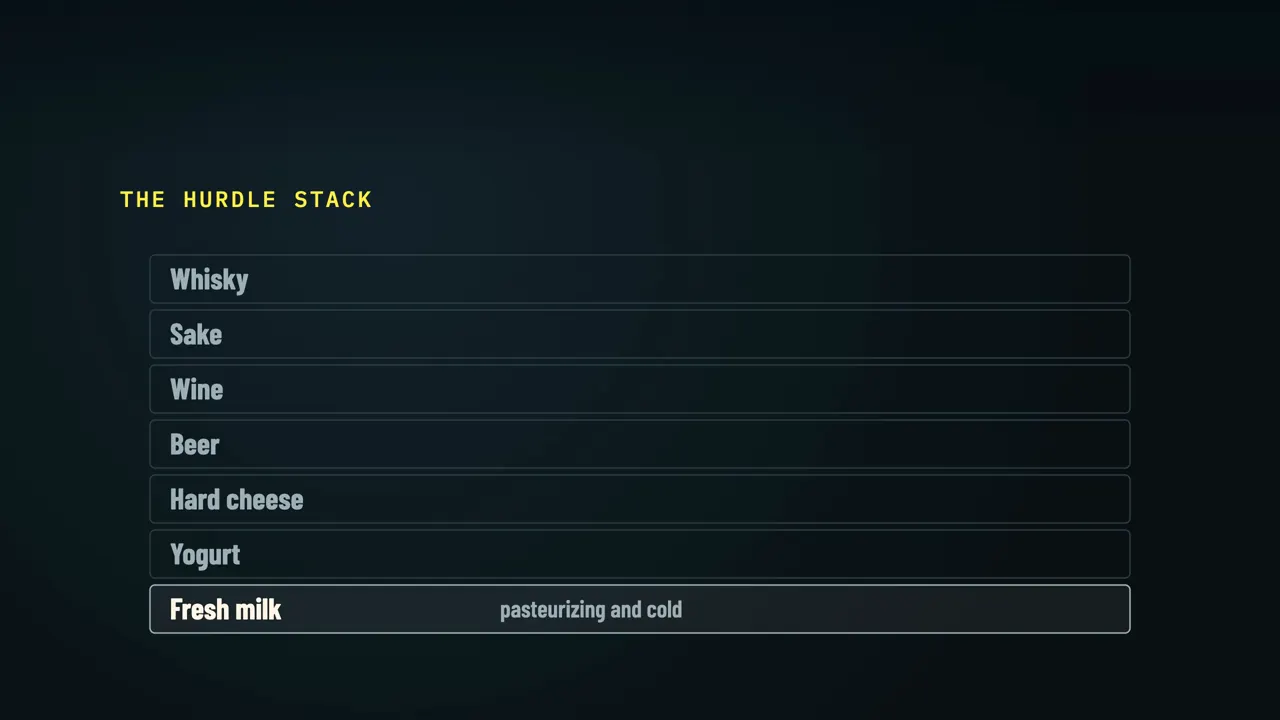
Line them all up, and a pattern appears. Fresh milk has almost no hurdles of its own. Yogurt adds acid, and a hard cheese adds heat, salt, dryness and time. Beer adds hops and alcohol, wine adds more alcohol and sulfites, and sake adds heat.
Whisky distills the alcohol up to 40 percent or more and leaves the microbes behind. And when a hurdle weakens, unwanted microbes gain ground, or the ones we wanted go too far. Wine slides toward vinegar, makgeolli keeps souring, and mold gets into a yogurt cup through a bad seal. So, is cheese just rotten milk?
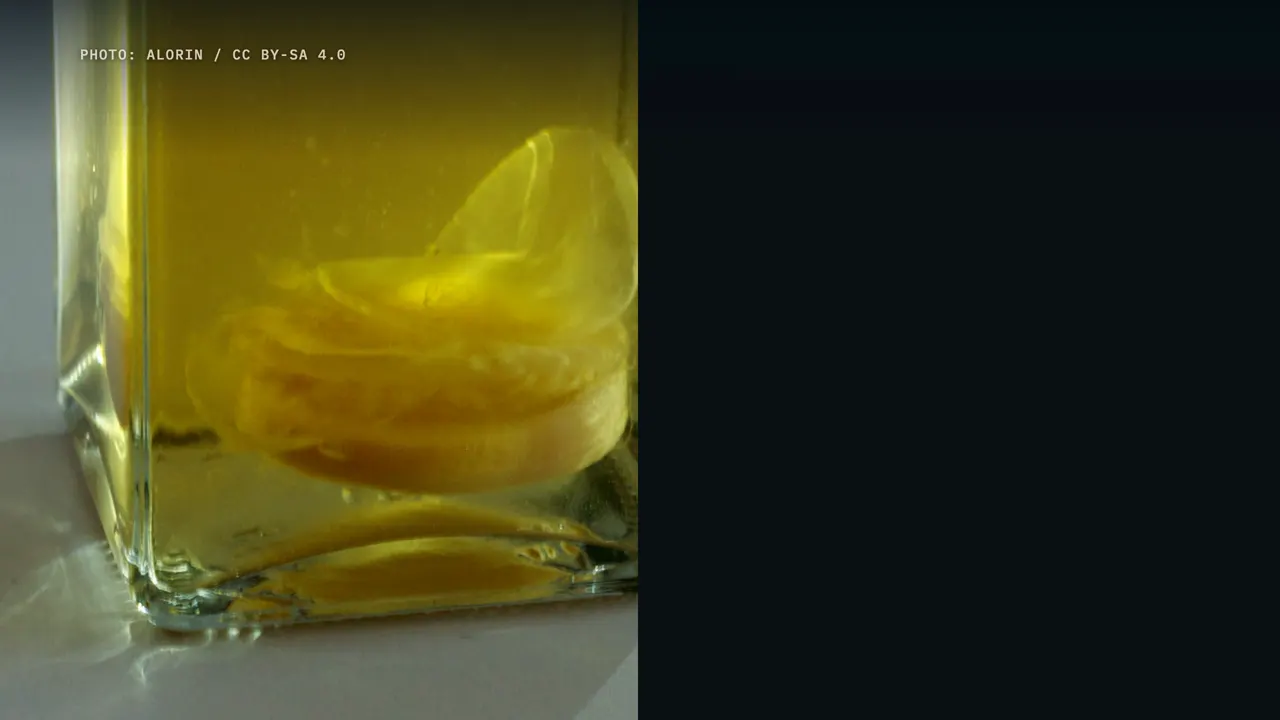
In a way, yes. It's milk that went bad in exactly the way we wanted.
Watch on YouTube
Sources
- Fermented foods (ISAPP): Marco et al. 2021, doi.org/10.1038/s41575-020-00390-5
- Pasteur, Studies on Fermentation (1876): gutenberg.org/ebooks/63355
- Biogenic amines in cheese: doi.org/10.3390/foods14142478
- Limburger and mosquitoes: Knols et al. 1997, doi.org/10.1017/S0007485300027292
- Lipid oxidation: Domínguez et al. 2019 (PMC6827023); Fatemi & Hammond 1980, doi.org/10.1007/BF02533555
- Cheese flavor and lipolysis: Ianni et al. 2020, doi.org/10.3390/molecules25030461
- Yeast energy: Pfeiffer & Morley 2014 (PMC4429655); Thomson et al. 2005 (PMC3618678)
- Alcohol disinfection: CDC Guideline for Disinfection and Sterilization
- Pathogens in drinks: Sheth et al. 1988 (PubMed 3287903); Menz et al. 2011, doi.org/10.4315/0362-028x.jfp-10-546
- Hurdle technology: Leistner 2000, doi.org/10.1016/S0168-1605(00)00161-6
- US rules: 21 CFR 113.3, 131.200, 133, 184.1538; 27 CFR 4.21; FDA CPG 525.825
- Milk spoilage: de Oliveira et al. 2015, doi.org/10.1590/s1517-838246220130963
- Yogurt: Codex standard CXS 243-2003 (fao.org); manganese and protective cultures: doi.org/10.3390/microorganisms13112543
- Parmigiano Reggiano specification (parmigianoreggiano.com); Grana challenge studies: doi.org/10.4081/ijfs.2025.14524; Loffi et al. 2021, doi.org/10.3390/foods10040770
- H5N1 in raw-milk cheese: Nature Medicine 2025, doi.org/10.1038/s41591-025-04010-0
- Rind cheeses: doi.org/10.3390/foods13020214; USDA FSIS "Molds on Food"
- Nisin: EFSA 2017, doi.org/10.2903/j.efsa.2017.5063; propionic bacteria: doi.org/10.1007/s00253-017-8616-7
- Ancient cheese: Salque et al. 2013, doi.org/10.1038/nature11698; Yang et al. 2014, doi.org/10.1016/j.jas.2014.02.005
- Koji: Machida et al. 2005, doi.org/10.1038/nature04300; Gibbons et al. 2012, doi.org/10.1016/j.cub.2012.05.033; Tominaga et al. 2006, doi.org/10.1128/AEM.72.1.484-490.2006
- Cheese molds: Ropars et al. 2015, doi.org/10.1016/j.cub.2015.08.025; Ropars et al. 2020, doi.org/10.1016/j.cub.2020.08.082; Crequer et al. 2024, doi.org/10.1186/s43008-024-00167-4
- Nuruk: Carroll et al. 2017, doi.org/10.1007/s12275-017-7114-z; Yun et al. 2020, doi.org/10.1111/1750-3841.15050; Bal et al. 2016, doi.org/10.5941/myco.2016.44.3.155
- Wine: acetic acid bacteria, Gomes et al. 2018 (PMC6117990); Hajji Firuz resin wine, McGovern et al. 1996, doi.org/10.1038/381480a0; mousiness, OENO One 2019
- Beer: Sakamoto & Konings 2003, doi.org/10.1016/s0168-1605(03)00153-3; Sakamoto et al. 2001 (horA); India Pale Ale history, Cornell 2003 (Brewery History 111)
- Sake: National Tax Agency of Japan (nta.go.jp, Ronsou 113); Kitahara et al. 1957 (J Gen Appl Microbiol 3:111); Arakawa & Yokoi 2023, doi.org/10.1016/j.jbiosc.2023.05.003; Ito et al. 2023, doi.org/10.3389/fmicb.2023.1112638
- Makgeolli: Jang et al. 2026, doi.org/10.1016/j.foodres.2025.118183; Kim et al. 2012, doi.org/10.4014/jmb.1112.12063; audit reporting: hsj.co.kr, newspim.com (13 Oct 2026)
- Kumis and milk spirits: doi.org/10.1002/fsn3.2595; doi.org/10.1038/s41598-026-45709-5
- Scotch Whisky Regulations 2009 (legislation.gov.uk)
Images and video
- CC BY 4.0: Alexander Klepnev, Bondarev.gal, Missvain, Peterdownunder, Robert Flogaus-Faust, Wellcome Collection
- CC BY 3.0: BobbyBoxhair, Mogana Das Murtey and Patchamuthu Ramasamy
- CC BY 2.5: yvescosentino
- CC BY 2.0: Creative Tools (creativetools.se), Eugene Kim, Jon, Mark Smith
- CC BY-SA 4.0: Abdulsalam Al Dabbagh, Ajay Kumar Chaurasiya, Alexandr frolov, Alorin, Arunbiel, Chunxiang Li et al., Fan Zhang et al., Gilles Desjardins, MHM55, Springnuts, Syl loves, Wittylama, さかおり
- CC BY-SA 3.0: Awjrichards, Coyau, Daieuxetdailleurs, Hare wiki, Michaelstoops, Sake-simon (uploader)
- CC BY-SA 2.0: Forrest O., Ryan O'Connell
- FAL: smial
- Narration is synthetic. Illustrations marked "Generated illustration" on screen are AI-generated scenes, not records of real events. This is not health or drinking advice.